1. General Conditions:
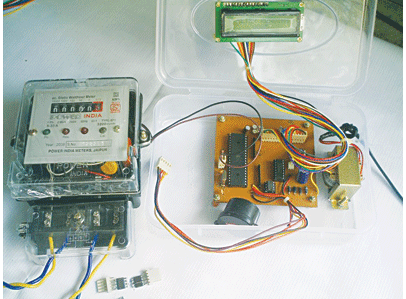
- This section outlines the fundamental rules and conditions that apply to the entire Metering Code.
- It provides the framework for the implementation and enforcement of the metering standards and procedures detailed in the subsequent parts.
- General Conditions ensure consistency and compliance across all metering activities governed by the Code.
2. Grid Metering Code (GMC)
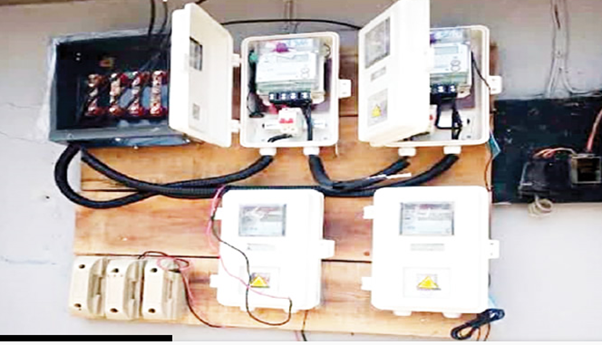
- This part focuses on the requirements for metering at the Participant’s Connection Points on the Transmission or Distribution Network.
- It caters to the Commercial Metering System, which is essential for the accurate measurement and accounting of energy and power exchanges.
- The GMC covers two main scenarios:
- (i) Energy and Power Entering or Exiting the Transmission Network: - This involves the metering of energy and power that either enter or exit the high-voltage transmission network. - Accurate metering at these points is crucial for grid management, energy trading, and regulatory compliance.
- (ii)Energy and Power Entering or Exiting the Distribution Network at Participant’s Connection Point: - This involves metering at points where the distribution network interfaces with participants, such as large consumers or distributed generation units.
- Ensures precise measurement of energy transactions between the distribution network and its connected participants.
- (i) Energy and Power Entering or Exiting the Transmission Network: - This involves the metering of energy and power that either enter or exit the high-voltage transmission network. - Accurate metering at these points is crucial for grid management, energy trading, and regulatory compliance.
- (ii)Energy and Power Entering or Exiting the Distribution Network at Participant’s Connection Point: - This involves metering at points where the distribution network interfaces with participants, such as large consumers or distributed generation units. - Ensures precise measurement of energy transactions between the distribution network and its connected participants.
3. Distribution Metering Code (DMC)
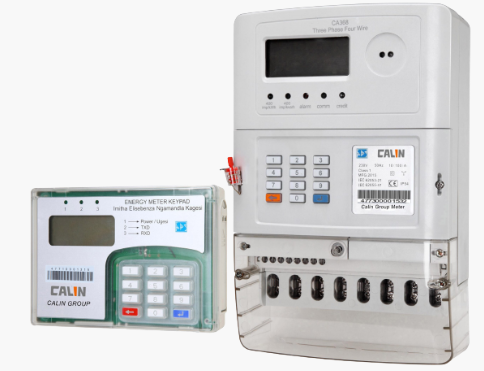
- This part specifies the technical and operational criteria for metering within the Distribution System.
- It includes detailed procedures that must be followed by the Distributor to provide reliable and accurate metering services to customers.
- The DMC covers the following key aspects:
- Technical Requirements:
Outlines the technical specifications for metering equipment and installations, ensuring they meet industry standards and regulatory requirements.
- Operational Procedures:
Details the processes and protocols for meter installation, maintenance, calibration, and data collection.
- Customer Metering:
Focuses on metering for customers of the Distribution System, ensuring that all customers, except participants, are accurately metered for energy and power consumption.
- Energy and Power Interchange:
- Covers the measurement of energy and power that enter or exit the Distribution Network at any Customer’s Connection Point, excluding participants.
- Ensures fair and transparent billing and energy accounting for all customers.
- Technical Requirements: Outlines the technical specifications for metering equipment and installations, ensuring they meet industry standards and regulatory requirements.
- Operational Procedures: Details the processes and protocols for meter installation, maintenance, calibration, and data collection.
- Customer Metering: Focuses on metering for customers of the Distribution System, ensuring that all customers, except participants, are accurately metered for energy and power consumption.
- Energy and Power Interchange:
- Covers the measurement of energy and power that enter or exit the Distribution Network at any Customer’s Connection Point, excluding participants.
- Ensures fair and transparent billing and energy accounting for all customers.