Smart Tips for Buying Solar Panels in Today’s Market
Investing in solar panels is a big step toward energy independence and long‑term savings, but the market can feel overwhelming with so many options. Here are some practical points to guide you:
How to Avoid Buying Cloned Solar Panels: The Ultimate Verification Guide for Nigerian Buyers
The rising demand for solar energy in Nigeria has unfortunately led to a flood of counterfeit, rebranded, and poorly cloned solar panels in major open markets like Alaba International or Computer Village. Dishonest vendors often slap fake stickers from top-tier brands onto low-grade polycrystalline modules or lower-wattage panels. This step-by-step verification guide will help your readers spot the fakes and protect their investments.
Step 1: Physical Inspection Checklist
Before buying or installing any panel, perform a thorough physical assessment. Authentic Tier-1 manufacturers follow strict quality control rules that counterfeiters cannot afford to replicate.
- Look for Flaws in the Cells: Real monocrystalline panels have uniform, dark blue or almost black cells with perfectly cut, diamond-shaped rounded edges. Cloned panels often show slight color variations, uneven spacing, or visible scratches across the silicon wafers.
- Inspect the Aluminum Frame: Authentic panels utilize thick, heavy-duty anodized aluminum frames with clean, machine-sealed corner joints. Counterfeits frequently use thin, easily bendable aluminum with rough, hand-riveted corners.
- Examine the Silicon Sealing: Look closely at the junction where the glass meets the frame. Genuine panels feature clean, smooth industrial silicon sealant. Cloned panels often display messy, overflowing, or uneven hand-applied glue.
Step 2: The Data Plate Sticker vs. Engraving Trap
The most common cloning method is peeling off a low-wattage sticker (e.g., 250W) and replacing it with a fake, premium Tier-1 sticker (e.g., 600W JinkoSolar).
- The Scratch Test: Try to scratch the specification label on the backplate with a fingernail or a coin. Fake labels are cheap paper stickers that peel or scratch away easily. Premium manufacturers use industrial, weather-proof labels designed to survive outdoor heat for 25 years.
- Look for Embedded Barcodes: Reputable brands like JinkoSolar, LONGi, and Trina embed a unique barcode directly underneath the tempered front glass or laminate it securely into the back sheet. If the barcode is printed on an external sticker that can be peeled off, the panel is highly suspect.
- Cross-Check Electrical Metrics: A fake 600W panel is often just a repurposed 300W frame. Check the listed Open Circuit Voltage (\(V_{oc}\)) and Short Circuit Current (\(I_{sc}\)) on the sticker. If the numbers don’t match the dimensions of the panel, it is a clone.
Step 3: Use the Multi-Meter Field Test
Never let an installation technician deploy panels without running a live electrical multi-meter test in clear, direct sunlight.
[ Solar Panel Face Up to Sun ]
│
├───► (+) Positive MC4 Cable ───► [ Multi-Meter Red Probe ]
└───► (-) Negative MC4 Cable ───► [ Multi-Meter Black Probe ]
- Set to DC Voltage: Connect the red and black probes of your multi-meter directly to the positive and negative MC4 connectors of the panel.
- Measure Open Circuit Voltage (\(V_{oc}\)): Compare the live display value on your multi-meter with the \(V_{oc}\) value printed on the backplate sticker. A minor variance is normal depending on cloud cover, but a drop of more than 15% indicates a lower-grade or cloned panel.
- Measure Short Circuit Current : Switch the multi-meter setting to Amps to check current output. If a panel claims to push 13 Amps but maxes out at 6 Amps under clear afternoon sunlight, the label has been falsified.
Step 4: Protect Your Investment at Checkout
Protecting solar investments during checkout requires demanding serialized receipts with specific model numbers and tying warranties to local Nigerian entities rather than global leaflets. Buyers must utilize traceable corporate bank accounts for payments and insist on escrow or verified inspection agreements for distant deliveries.
Summary of How to Beat Solar Scammers
The safest way to protect your investment is to change where and how you buy panels:
- Avoid Unknown Market Vendors If a Tier‑1 panel is priced far below market average, it’s almost certainly a clone or rejected stock.
- Demand Serial Number Validation Genuine manufacturers like LONGi, JinkoSolar, and Trina offer free online portals. Ask for the serial numbers in advance and verify them yourself before purchase.
- Buy Through Authorized Distributors Stick to certified regional partners (e.g., Simba Den, Wavetra) or official manufacturer stores on trusted platforms like Amazon.
This streamlined checklist makes it easy for everyday buyers to spot red flags and secure authentic solar equipment.
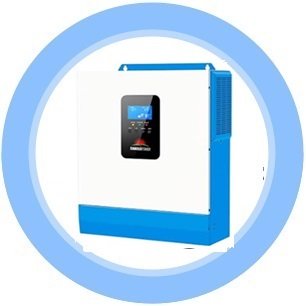
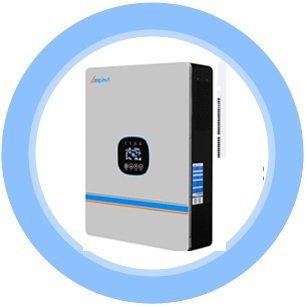
👉 Click here to check the Current Price of the Ampinvt 10000W Hybrid Solar Inverter at Amazon
Step-by-Step Tutorial on How to Verify Solar Panel Serial Numbers Online
This step‑by‑step guide helps you confirm authenticity before making a purchase:
1. Locate the Genuine Barcode
Start Here
Find the laminated barcode under the front glass, not on external stickers.
- Inspect panel corners under tempered glass
- Look for thin barcode stripe embedded in silicon
- Take a clear photo or write down the code
2. Open Official Verification Portal
Use only the manufacturer’s global website to avoid spoofed links.
- For LONGi Panels: Visit the LONGi Solar Global Warranty & Product Verification Service.
- For JinkoSolar Panels: Open the JinkoSolar Serial Number & Quality Authentication Platform.
- For Trina Solar Panels: Access the Trina Solar Product Traceability and Quality Portal.
- Avoid WhatsApp or flyer links
3. Enter Serial Number
Input the code carefully into the portal’s search field.
- Type code exactly, zeroes (0) versus the letter O.
- Complete captcha if required
- Click Verify, Search, or Track
4. Interpret Results
Check whether the code matches factory records.
- Green Flag: Authentic report with model, wattage, date
- Cross‑check database details with panel specs
- Red Flag: ‘Record Not Found’ or mismatch → reject purchase
By following these four steps, you can instantly confirm whether a solar panel is authentic Tier‑1 stock or a counterfeit. This protects your investment and ensures you get panels backed by manufacturer warranty.
Solar Panel Field Checklist
Before paying for panels, verify these points on the spot. If a panel fails more than one check, walk away.
1. Check Glass & Frame
Inspect the panel’s physical build for authenticity.
- Look for a barcode laminated under the front glass (not just a back sticker)
- Ensure cells are uniform deep black/blue with no scratches or patches
- Confirm frame corners are smooth and machine‑sealed
- Check silicon seal is neat without glue spillages
2. Test the Label
Verify the back specification label for durability and clarity.
- Scratch with a coin: authentic labels won’t peel or rip
- Fonts, logos, and barcodes should be crisp and aligned
3. Run a Multi‑Meter Test
Confirm electrical performance in direct sunlight.
- Measure Voc (voltage) and ensure it matches within 10% of the label
- Measure Isc (current); if claimed 13A but shows only 5–6A, it’s fake
4. Verify Dealer & Warranty
Confirm legitimacy before purchase.
- Scan serial numbers on the manufacturer’s portal (LONGi, Jinko, Trina)
- Ensure invoice lists brand, model, serials, and performance warranty
By following these four checks, you protect yourself from counterfeit panels, guarantee performance, and secure long‑term energy independence.
How to Outsmart Dishonest Solar Vendors
Walking into a solar shop and asking, “How much is a 550W panel?” marks you as an easy target for old stock or fake labels. Instead, use these smart questions to test vendor honesty:
🥊 Question 1: The Barcode Trap Ask: “Are the serial number barcodes printed on the outer sticker, or laminated under the front tempered glass?” Why: Counterfeiters can fake stickers, but they can’t embed barcodes under glass. This instantly exposes clones.
🥊 Question 2: The Multi‑Meter Test Ask: “Can we take the panels into sunlight and run a live Voc and Isc test with a multi‑meter?” Why: Genuine dealers welcome testing. Scammers make excuses because their ‘550W’ panels often perform like 250W.
🥊 Question 3: The Online Database Check Ask: “If I scan these Tier‑1 panel serial numbers on the manufacturer’s portal and they show Record Not Found or wrong wattage, what’s your return policy?” Why: Real distributors know their codes validate. Fake or B‑grade sellers will scramble.
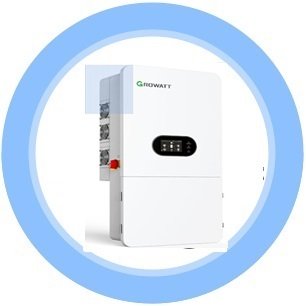
🥊 Question 4: The Inverter Compatibility Test Ask: “Are these panels P‑type modules or N‑type TOPCon? I need to confirm voltage matches my Deye/Growatt hybrid inverter.” Why: This technical question shows authority. Honest professionals answer confidently; scammers won’t.
By using these four checks, you protect yourself from scams, ensure quality panels, and take control of your energy investment.
Conclusion: Taking Control of Your Power and Budget
Investing in premium alternative power is smart, but protecting that investment is just as critical. yet the market is flooded with scams and low‑grade clones. To safeguard your purchase use the following tools where practicable to spot dishonest sellers and avoid costly mistakes.
- Check barcodes laminated under the front glass.
- Insist on a live multi‑meter test in the afternoon sun.
- Verify serial numbers directly with manufacturer portals before paying.
By asking tough technical questions and following these steps, you can secure reliable power and take full control of your household or business electricity supply.